Master the Maillard Reaction for Better Browning
Daniela Rossi * May 28, 2026
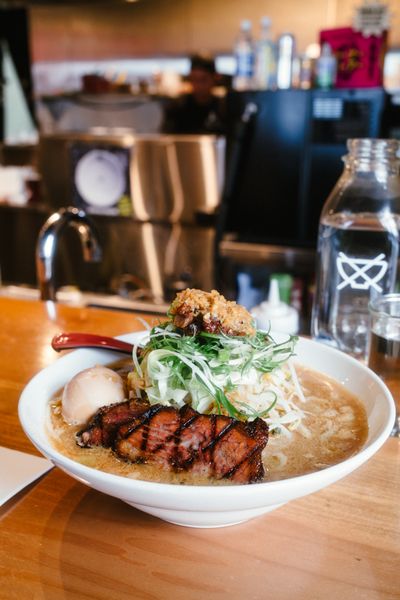
Every cook chases that deep brown crust, but few understand the chemistry behind it. The Maillard reaction is a cascade of reactions between amino acids and sugars that kicks off around 300 degrees F, producing hundreds of new aroma compounds. It is the difference between gray, steamed meat and a steak with a roasted, savory shell.
The practical lesson is simple: dry surfaces and high heat. Pat proteins dry, salt them in advance to draw out and reabsorb moisture, and give your pan time to get properly hot before anything touches it. Crowding the pan drops the temperature and traps steam, which is why batch cooking beats piling everything in at once.
Browning is not just for meat. The same reaction transforms roasted vegetables, toasted bread, and seared tofu. Once you learn to recognize the signs, the sizzle, the color, the smell, you will start cooking by feel rather than by the clock, and your food will taste noticeably better for it.